Indian Institute of Technology Madras
BS Degree Programme · Examination & Study Paper
Machine Learning Foundations
SVD & PCA
Examination Instructions & Guidelines
- Solve on notebook/paper first before checking solutions.
- MCQ: Exactly 1 option is correct. Negative marking applies.
- MSQ: One or more options correct. Select all to score.
- Scientific calculator allowed for all calculations.
- Official answer key is sealed at the end of this sheet.
Quiz 2 · 3 Aug 2025 (AN)Quiz 2
- Q1MCQ3 Marks·Choose one option

- A

- B

- C

- D

- A
- Q2MCQ3 Marks·Choose one option

- A

- B

- C

- D

- A
Read the passage below, then answer Q3–Q5

Based on the above data, answer the given subquestions.
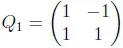
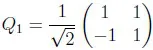
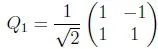
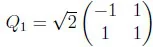
Q3MCQ3 Marks·Choose one optionWhich of the following options is/are true?
- A
- B
- C
- D
- A
- Q4MCQ3 Marks·Choose one option
Which of the following options is/are true ?
- A
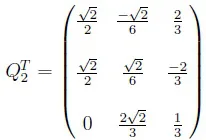
- B
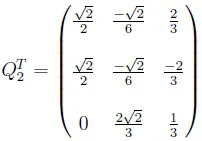
- C
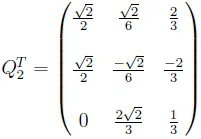
- D
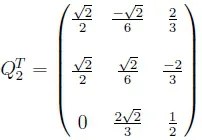
- A
- Q5MCQ2 Marks·Choose one option
Which of the following options is true?
- A
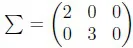
- B
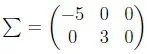
- C
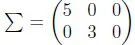
- D
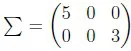
- A
Read the passage below, then answer Q6–Q8
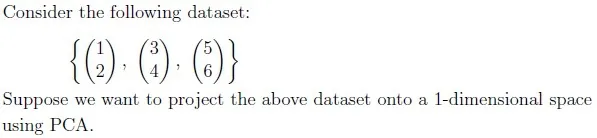
Based on the above data, answer the given subquestions.
Q6MCQ2 Marks·Choose one optionThe sample covariance matrix C for the given dataset is
- A
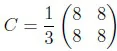
- B
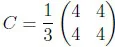
- C
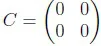
- D
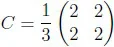
- A
- Q7MCQ2 Marks·Choose one option
The eigenvalues of the covariance matrix are
- A
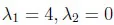
- B
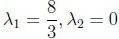
- C
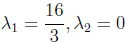
- D

- A
- Q8MCQ3 Marks·Choose one option
The first principal component is
- A

- B

- C

- D

- A
End Term · 13 Apr 2025 (FN)End Term
- Q9MSQ3 Marks·Choose all correct options
Which of the following is true about the singular value decomposition (SVD)?
- A

- B

- C

- D

- A
- Q10MSQ3 Marks·Choose all correct options
In the context of Principal Component Analysis (PCA), which of the following statements is/are correct?
- APCA projects the original data onto a lower-dimensional subspace that captures the maximum variance.
- BThe eigenvectors of the covariance matrix correspond to the directions of maximum variance.
- CThe principal components form a basis that is not necessarily orthogonal.
- DThe principal components obtained through PCA are always uncorrelated.